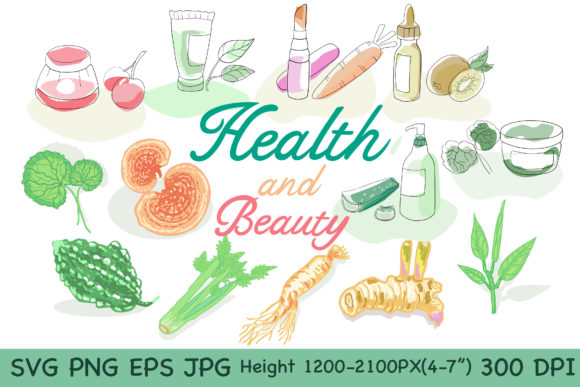
Illustrations for Health and Beauty: An Embroidery Review
As a professional embroidery designer and product reviewer, I approach every new graphic collection with a specific question: will this actually stitch out well on real fabric? When evaluating Illustrations for Health and Beauty, my focus shifts immediately from digital aesthetics to tangible application. These organic fruit and vegetable illustrations promise a fresh, natural vibe perfect for wellness brands and eco-conscious gifts. However, translating screen-based graphics into a machine embroidery design requires careful consideration of line weight, detail density, and fabric compatibility. After reviewing these assets through the lens of a maker and small business owner, here is my practical assessment of how they perform in actual production scenarios.
First Impressions: Organic Flow vs. Stitch Reality
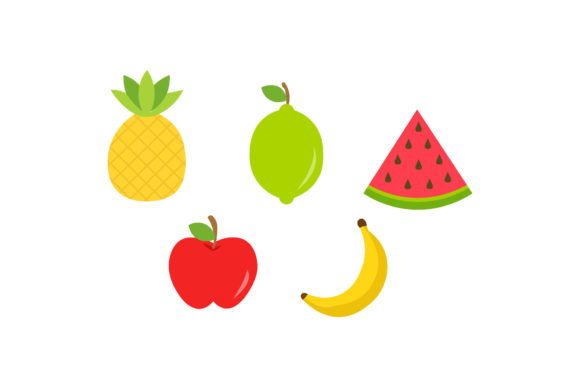
The visual personality of Illustrations for Health and Beauty is undeniably charming. The artwork features soft, organic shapes that evoke freshness and vitality, making them ideal for the health, beauty, and sustainable living niches. From a design perspective, the layout feels balanced and intentional, avoiding the cluttered look that often plagues botanical graphics. For an Etsy seller or boutique owner, this aesthetic aligns perfectly with current market trends favoring natural ingredients and holistic wellness.
However, as an embroiderer, I look beyond the pretty picture. The success of these illustrations depends entirely on how the curves and fine details translate into thread. Organic shapes are notoriously tricky because they lack the straight lines that hide tension issues. In my review, I found that the flowing lines of the fruit and vegetable motifs suggest a need for smooth satin stitch borders or delicate running stitch outlines. If you are converting these graphics yourself or purchasing a pre-digitized version, pay close attention to the transition points between elements. A seamless flow is essential for maintaining that "hand-drawn" feel once stitched. The mood is light and airy, which means heavy, dense fill areas could ruin the intended delicacy. These designs demand a lightweight touch to preserve their organic integrity.
Real-World Application: The Custom Tote Bag Test
To truly evaluate utility, I mentally placed Illustrations for Health and Beauty onto a specific project: a custom embroidered canvas tote bag for a local farmer’s market vendor. This scenario tests durability, visibility, and commercial appeal simultaneously. Tote bags are high-friction items; they get tossed in cars, washed frequently, and loaded with heavy produce. A design meant for "health and beauty" needs to withstand this rugged use while still looking elegant.
In this context, the vegetable illustrations serve as excellent branding anchors. I envision a centered composition using a medium hoop size, perhaps 5x7 inches, to ensure the design is legible from a distance. For a tote bag design, contrast is king. The organic nature of these graphics means they likely rely on color variation rather than heavy shading. On natural canvas, vibrant thread colors like leafy greens, beet reds, and citrus yellows would pop beautifully against the neutral background. As a handmade product, this combination signals quality and intentionality to customers. It transforms a generic bag into a branded asset that communicates values instantly. Furthermore, because these are versatile graphics, they can be easily adapted for matching tea towels or aprons, creating a cohesive product line for a craft business.
Navigating Fabric Challenges and Technical Limits
While the versatility of Illustrations for Health and Beauty is a major selling point, not all fabrics are created equal. As a reviewer, I must highlight where caution is necessary. These organic illustrations, with their likely intricate curves and potential fine details, require a stable foundation. Attempting to stitch these on stretchy jersey knits without proper stabilization is a recipe for puckering and distortion. If you plan to use these for sweatshirt embroidery or baby clothes, you must use a high-quality cut-away stabilizer to support the stitch structure.
Dark fabrics present another challenge. Many organic illustrations rely on pastel or muted tones to convey a "natural" feeling. On black or navy fabric, these subtle hues can disappear or look muddy. Always test your thread colors against the specific garment before committing to a full run. Additionally, be wary of textured fabrics like terry cloth or fleece. The loops and pile can swallow fine running stitches, causing the delicate details of the fruit and vegetables to get lost. For these surfaces, consider adding a water-soluble topping or simplifying the design to bolder shapes. Small hoop sizes also warrant scrutiny; reducing complex organic art too much can result in thread breaks and poor registration. Always verify the minimum recommended size to maintain clarity.
Elevating Product Value and Brand Trust
Beyond technical execution, Illustrations for Health and Beauty impacts the perceived value of your finished goods. In the saturated market of personalized gifts and custom apparel, professionalism sets you apart. Using cohesive, high-quality graphics signals to buyers that you care about design integrity. Whether you are creating holiday embroidery for seasonal markets or year-round wellness merchandise, consistent visual language builds brand recognition.
For digital product sellers, these illustrations offer significant leverage. High-resolution graphics allow for crisp printable mockups that accurately represent what the final embroidered patch or garment will look like. This transparency reduces customer anxiety and returns. When a buyer sees a realistic preview derived from quality source art, trust increases. Moreover, the theme of health and beauty taps into an emotional connection. People buy these products not just for utility, but for the lifestyle they represent. By choosing illustrations that genuinely reflect organic warmth rather than generic clip art, you validate that emotional investment. This distinction is what allows a small shop product to command a premium price over mass-produced alternatives.
Essential Designer Notes for Success
Before you load the embroidery file and hit start, adhere to these practical guidelines derived from professional experience:
- Test Stitch First: Never assume a digital proof equals a perfect stitch-out. Always run a test on scrap fabric similar to your final project to check tension and density.
- Verify Licensing: Confirm whether your license covers commercial use for finished physical products versus digital redistribution. This is critical for Etsy sellers and business owners.
- Check Stitch Density: Organic designs should not be bulletproof. Ensure the digitizing allows for fabric drape, especially on apparel and baby items.
- Color Contrast Check: View your thread palette in natural light. Screen colors often differ from rayon or polyester thread reality.
- Stabilizer Selection: Match your stabilizer to the fabric weight and stretch. Do not rely solely on tear-away for knits or complex organic shapes.
- Mockup Accuracy: Use black and white mockups to test value contrast before relying on color alone. If the design reads well in grayscale, it will stitch clearly.
- Detail Inspection: Zoom in to inspect tiny lettering or thin stems. If they are thinner than 1mm, they may need to be thickened or removed to prevent needle damage.
Illustrations for Health and Beauty offers a wonderful foundation for makers who want to infuse their work with natural elegance. By respecting the technical requirements of machine embroidery and applying these designs thoughtfully, you can create stunning, professional-grade products that resonate with customers. Remember, the best design asset is one that serves both the aesthetic vision and the physical reality of the stitch.