Dog Box Illustrations: A Vector Review for Embroidery
As a professional embroidery designer and product reviewer, I approach every new graphic asset with a specific question: will this actually stitch out cleanly on fabric? When evaluating the Dog Box Illustrations Vector Cute Simple collection, my focus shifts immediately from screen aesthetics to needle performance. These graphics possess a charming, minimalist appeal that suggests high versatility for handmade businesses, but translating vector art into a successful machine embroidery design requires understanding how simple lines interact with textile textures. This review breaks down the practical realities of using these illustrations for real-world projects, from custom apparel to boutique merchandise.
First Impressions: Simplicity as a Stitching Advantage
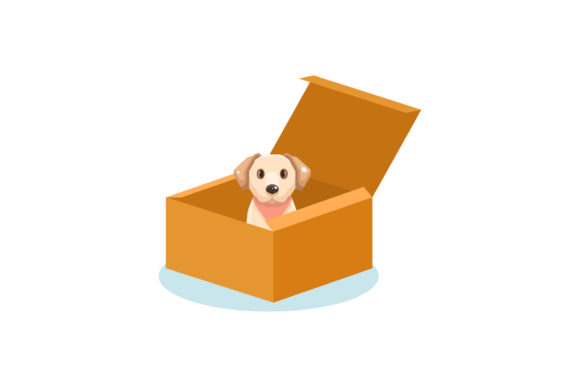
The initial visual impact of Dog Box Illustrations Vector Cute Simple is defined by clean geometry and uncluttered silhouettes. For an embroiderer, this is often more valuable than intricate detail. Complex shading and gradients are notoriously difficult to digitize without creating dense, bulletproof patches of thread. In contrast, these cute, simple box-style dog graphics naturally lend themselves to manageable stitch density. The bold shapes suggest they were created with scalability in mind, which is crucial when resizing for different hoop size requirements.
The mood is undeniably friendly and accessible. This aesthetic fits perfectly within the current market demand for "cottagecore," pet lover gifts, and nursery decor. As design assets, they avoid the trap of being overly cartoonish or juvenile, maintaining a modern simplicity that appeals to adult buyers looking for custom apparel or home goods. The vector format ensures that edges remain crisp, which is essential when converting to satin columns or fill stitches. However, because the style is "simple," the margin for error in digitizing is smaller; every stitch placement must be intentional because there is no complex background texture to hide imperfections.
Real-World Application: Stitching a Tote Bag Prototype
To truly evaluate the viability of Dog Box Illustrations Vector Cute Simple, I mentally prototyped a project: a natural canvas tote bag intended for a pet grooming boutique. Tote bags are a staple Etsy seller item and a common small shop product, but canvas presents unique challenges due to its weave and weight.
In this scenario, I would utilize the SVG or DXF files to create a custom layout. The "box" aspect of the illustration provides a built-in frame, making it ideal for adding personalized text below the dog graphic without disrupting the composition. For the embroidery itself, the solid shapes of the dogs would likely translate best as an applique design rather than full fill stitch. Using cotton fabric for the applique reduces stitch count significantly compared to filling the entire shape with thread, keeping the tote bag design lightweight and flexible. The simple lines of the face and ears could then be outlined with a running stitch or a narrow satin stitch to define features without adding bulk.
This specific application highlights why these vectors work well for commercial embroidery. The design is recognizable even at smaller sizes, ensuring brand visibility. Furthermore, the cute factor drives emotional connection, increasing the perceived value of the finished product. Customers are more likely to purchase a personalized gift that features a stylized representation of their own pet's breed type, and these generic yet distinct box illustrations serve as excellent templates for such customization.
Navigating Fabric Variables and Technical Constraints
While Dog Box Illustrations Vector Cute Simple offers excellent potential, success depends heavily on substrate selection. Not all fabrics treat simple vector graphics equally. Here is where caution is necessary:
- Stretchy Fabrics: On knits like jersey or sweatshirt fleece, the geometric rigidity of the "box" shape can cause puckering if not stabilized correctly. A cut-away stabilizer is non-negotiable here to maintain the square integrity of the illustration during sweatshirt embroidery.
- Textured Surfaces: If applying this design to terry cloth towels or minky blankets for baby embroidery, the fine details of the dog’s expression may get lost in the pile. You may need to add a knockdown stitch layer beneath the design or increase the column width of the outlines to ensure readability.
- Dark Fabrics: Since these are vector graphics, they do not come with pre-digitized underlay. When stitching on dark materials, you must ensure your digitizing software adds appropriate underlay to prevent the fabric color from showing through lighter thread colors. Without this, the "cute simple" aesthetic can look muddy.
- Curved Surfaces: Be wary of placing the rigid box shape on curved items like caps. The distortion required to fit a cap frame might warp the dog's proportions. Test on a flat surface first or modify the vector to accommodate the curve before digitizing.
Additionally, consider the washing durability. Simple designs with large open areas are generally durable, but if you convert the entire box to a dense fill stitch, repeated laundering may cause the surrounding fabric to wear out faster than the embroidery itself. Always balance aesthetic coverage with structural integrity.
Enhancing Product Value and Brand Consistency
For creative entrepreneurs and craft business owners, consistency is key to building trust. Dog Box Illustrations Vector Cute Simple provides a cohesive visual language that can span multiple product categories. Imagine offering a matching set: a personalized gift bundle featuring a bib, a blanket, and a mama sweatshirt, all utilizing the same dog illustration style. This uniformity elevates the brand perception from "hobbyist" to "professional boutique."
The availability of six file formats (AI, EPS, SVG, DXF, JPG, PNG) at a 1920px x 1280px canvas size is a significant operational advantage. The high-resolution JPG and PNG files allow for immediate creation of printable mockup images for online listings without waiting for digitization. This speeds up the listing process for digital embroidery file sellers or those testing market interest before committing to production. Meanwhile, the AI and EPS files provide the editable paths needed for professional digitizers to create optimized stitch files. This versatility supports both the physical maker and the digital asset seller, maximizing the return on investment for the graphic pack.
Essential Pre-Stitch Checklist for Makers
Before loading these vectors into your embroidery software or sending them to a digitizer, adhere to this practical checklist to ensure professional results:
- Verify Licensing: Confirm whether your purchase includes commercial rights for selling finished embroidered products versus just personal use. This is critical for Etsy sellers and shop owners.
- Test on Scrap Fabric: Never stitch a new design directly onto a sellable item. Use a scrap of the exact fabric and stabilizer combination intended for the final project to check for registration issues or tension problems.
- Check Thread Contrast: Simple designs rely on outline clarity. Ensure your thread colors offer sufficient contrast against the base fabric so the dog features remain distinct.
- Evaluate Small Details: If resizing the vector down for a chest logo or sleeve cuff, inspect the eye and nose details. They may need to be simplified or removed entirely to prevent thread breaks and needle damage.
- Mockup in Black and White: View the design in grayscale to assess value contrast independent of color. If the design looks flat in black and white, it will likely lack depth when stitched.
- Confirm Canvas Suitability: While 1920px x 1280px is generous for web and print, always verify the vector nodes are smooth enough for large-format hoop embroidery if you plan to scale up for pillows or wall hangings.
Ultimately, Dog Box Illustrations Vector Cute Simple represents a strong foundation for embroidery projects when approached with technical mindfulness. Its strength lies in its adaptability and clean aesthetic, which aligns well with modern consumer preferences. By respecting the relationship between vector lines and stitch mechanics, makers can transform these digital graphics into tangible, high-quality products that resonate with customers and stand the test of daily use.