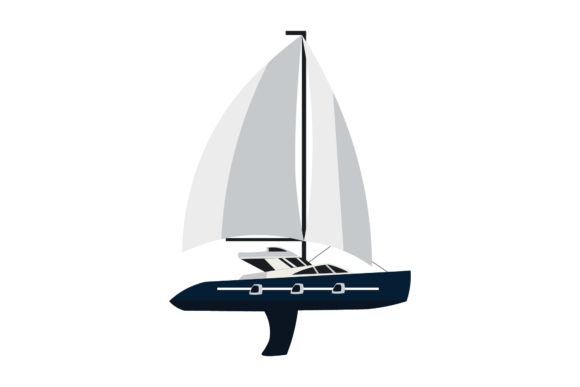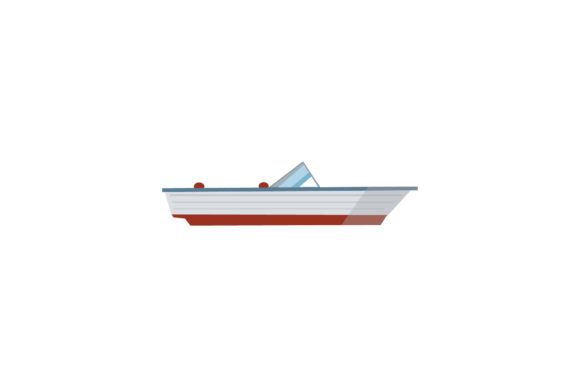
Transportation Ship Illustrations Vector Graphics Review
As a digital product creator constantly scouting for assets that can drive sales across multiple platforms, my evaluation process is rigorous. When I first opened the Transportation Ship Illustrations Vector files, I was looking for more than just aesthetic appeal; I needed to verify commercial viability. The initial impression of this graphic design asset is one of clean, versatile utility. The illustrations strike a balance between technical precision and artistic charm, avoiding the overly cartoonish look that limits market reach while steering clear of sterile industrial diagrams that lack emotional connection. This visual personality suggests a broad niche appeal, targeting buyers interested in nautical nursery decor, maritime business branding, travel-themed stationery, and educational materials. For Etsy sellers and print-on-demand entrepreneurs, this specific mood is crucial because it allows the asset to transition seamlessly between children’s products and adult-oriented commercial designs.
Evaluating File Formats for Multi-Platform Selling
The technical foundation of any sellable digital download lies in its file structure. This collection provides AI, EPS, SVG, DXF, JPG, and PNG formats, all set to a canvas size of 1920 px by 1280 px. From a production standpoint, this resolution is the sweet spot for digital displays and standard print applications, though sellers planning large-format wall art should test upscaling before listing. The inclusion of SVG and DXF files makes this an immediate contender for Cricut projects and Silhouette cutting machines. I specifically tested the SVG cut lines to ensure there were no stray nodes or overlapping paths that could ruin a vinyl t-shirt design or sticker sheet. The vectors remained crisp during resizing, confirming their suitability for scalable merchandise.
For Canva template sellers and sublimation designers, the high-quality PNG and JPG options are equally valuable. The transparency in the PNG files appears clean, which is non-negotiable when creating layered mockups or composite social media graphics. Having editable source files like AI and EPS means experienced designers can recolor elements to match specific brand identities or seasonal palettes, significantly increasing the perceived value of the final product. This flexibility transforms a single graphic design asset into a foundational element for entire shop collections.
Real-World Product Applications and Merchandise Testing
In a real shop scenario, I approached this asset as the centerpiece for a new nautical-themed launch. The versatility of these transportation ship illustrations allows for diverse revenue streams. For physical merchandise, the bold lines work exceptionally well for mug designs and tote bag prints where clarity at a distance matters. I visualized these ships as central motifs on ceramic mugs, paired with navy blue typography for a classic maritime gift shop aesthetic. Similarly, the vector nature ensures they remain sharp on t-shirt designs, whether printed via direct-to-garment or heat transfer vinyl.
On the digital side, these illustrations serve as excellent clipart for printable design products. I can see them functioning as decorative headers in wedding invitation templates for beachside ceremonies or as engaging visuals in educational worksheets for homeschoolers. For planner sticker creators, the individual ship elements can be isolated and scaled down, provided the detail level remains sufficient. Sublimation design is another strong avenue; the vibrant potential of these vectors translates well to tumblers and keychains. Furthermore, content creators and bloggers can utilize these graphics to enhance visual storytelling in travel articles or small business branding kits, making them a multi-purpose asset for creative entrepreneurs.
Optimizing Listing Images and Visual Hierarchy
A superior illustration fails if the product presentation is weak. When preparing Etsy product listings or Creative Fabrica uploads, visual hierarchy determines click-through rates. These transportation ship illustrations possess enough weight to anchor a thumbnail without requiring excessive text overlay. I recommend using the 1920x1280 canvas as your primary listing image base, placing the ship centrally against a contrasting background to maximize visibility in search results. For bundle listings, arrange multiple ship variations to demonstrate volume and variety instantly.
Mockup previews are where this asset truly sells itself. Test the designs on realistic product mockups rather than flat digital previews alone. Seeing the ship illustration applied to a textured paper greeting card or a curved tumbler helps customers visualize the end result, building trust and reducing pre-sale questions. Consistent use of these graphics across your shop banner, social media promos, and packaging design reinforces brand identity, signaling to buyers that your shop offers cohesive, professional-grade design assets.
Critical Limitations and Quality Control Checks
Despite its strengths, no asset is perfect for every application. Sellers must exercise caution when using these illustrations for tiny sticker details or intricate scrapbooking kits. At very small scales, complex rigging or hull details may merge, resulting in muddy prints or failed cuts. Always perform a physical test cut or print proof at the smallest intended size before mass production. Additionally, while the 1920px width is generous, it may not suffice for billboard-sized signage or high-DPI fine art prints without vector manipulation. Verify your specific output requirements against the native canvas dimensions.
Contrast is another consideration. These ships require mindful background selection. On dark backgrounds, ensure the illustration colors have sufficient luminance to stand out, or provide a white outline version for versatility. Avoid overcrowding thumbnails with too many elements; let the primary ship illustration breathe to maintain professional appeal. Finally, always double-check the commercial license terms included with your purchase. Confirming you have the right to sell finished products versus digital redistribution protects your business from legal issues and maintains marketplace compliance.
Seller Workflow and Typography Pairing Strategies
To maximize the commercial potential of this digital product, integrate it into a structured workflow. Before publishing, organize your files clearly with descriptive names so customers can easily navigate their downloads. This attention to detail reduces support tickets and improves reviews. When designing sellable templates, pair these nautical illustrations with complementary typography. A bold sans serif font conveys modern maritime strength for business branding, while a flowing script font adds elegance to wedding stationery. Handwritten fonts work beautifully for nursery prints, enhancing the handmade business aesthetic that buyers love.
Test color variations extensively. Create a monochrome version for minimalist planners and a full-color version for vibrant sublimation products. Check how the design looks on both white and colored substrates to ensure versatility. By treating this graphic design asset as a flexible component rather than a static image, you unlock its full value. Whether you are building a seasonal collection, expanding your print-on-demand catalog, or creating unique Canva templates, these transportation ship illustrations offer a reliable foundation for profitable creative products. The guarantee that the design is easy to use and editable holds true in practice, making it a worthwhile addition to any serious digital seller's toolkit.