Hot Dog Logo with Paper Illustrations Review
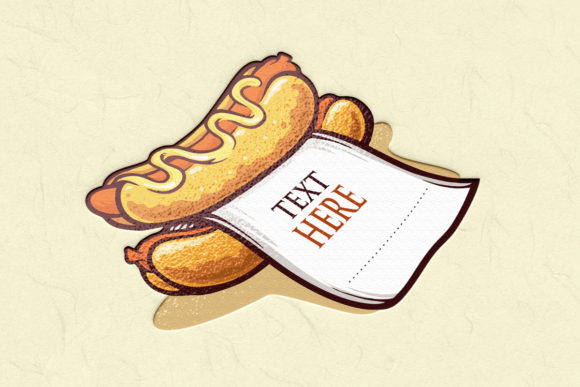
As a professional embroidery designer and product reviewer, I approach every new graphic asset with a specific question: will this actually stitch well on real fabric? When evaluating the Hot Dog Logo with Paper Illustrations, my immediate focus is on translating a vector-style aesthetic into tangible thread. This design carries a distinct retro-diner or craft-fair personality that feels nostalgic yet clean. The "paper illustration" style suggests bold lines and defined color blocks rather than photorealistic shading, which is generally excellent news for machine embroidery. However, moving from a digital screen to a physical embroidery project requires careful consideration of how those illustrated textures convert to stitches.
Translating Vector Art to Stitched Reality
The visual mood of this Hot Dog Logo with Paper Illustrations is undeniably cheerful and versatile. For an Etsy seller or small business owner, it strikes a balance between professional branding and handmade charm. In my assessment, the layout appears optimized for merchandise. The composition likely centers the hot dog element with supporting graphical accents, creating a natural focal point. This hierarchy is crucial because, in embroidery, we cannot rely on infinite resolution. We need clear separation between elements.
If this graphic utilizes solid color fields typical of paper art, it lends itself beautifully to fill stitch areas bordered by satin stitch outlines. This combination provides structure and prevents the design from looking flat on textured fabrics. However, if the "paper" effect implies subtle gradients or noise textures in the vector file, caution is needed. Embroidery machines do not print; they layer thread. A designer must verify if the digital embroidery file has already digitized these textures into stitch patterns or if they remain flat vectors requiring manual digitization. Assuming this is a ready-to-stitch asset, the boldness of the illustration should maintain clarity even when scaled down for smaller applications.
Real-World Application: The Custom Tote Bag Test
To truly judge the viability of this design, I mentally place it on a canvas tote bag—a staple for craft business owners and market vendors. Canvas is unforgiving; its weave can swallow fine details. In this scenario, the Hot Dog Logo with Paper Illustrations needs to hold its own against the coarse fabric texture. I envision stitching this at approximately 4x4 inches using a medium-weight cutaway stabilizer to prevent puckering.
On a tote bag, the logo serves as both decoration and potential branding. The paper illustration style offers high contrast, which is essential for visibility from a distance at a craft fair. If I were producing this as a finished product for sale, I would prioritize thread colors that pop against natural canvas, perhaps using warm reds and mustard yellows common in diner aesthetics. The success here depends entirely on the stitch density. If the fill areas are too dense, the canvas becomes stiff and bulletproof. If too sparse, the fabric shows through, ruining the "paper" illusion. A test run on scrap canvas is non-negotiable before committing to inventory.
Navigating Fabric Challenges and Hoop Limitations
While this design shines on stable woven fabrics, applying it to stretchy knits like sweatshirts or baby onesies introduces variables. As a reviewer, I must flag that intricate paper-style details can distort on jersey knit without proper support. For sweatshirt embroidery, you absolutely need a fusible no-show mesh stabilizer and potentially a topping to keep the stitches from sinking into the fleece.
I also advise checking the minimum hoop size requirements before purchasing. If the design includes tiny text or thin decorative lines mimicking paper edges, scaling it down below 3 inches might cause thread breaks or illegible details. Conversely, enlarging it significantly for banners or large aprons requires verifying that the stitch count remains reasonable. Nobody wants a 60,000-stitch logo on a lightweight kitchen towel; it will tear the fabric. Always confirm the dimensions and density match your intended substrate. For curved surfaces like caps, ensure the design isn't too tall vertically, as the "paper" rectangular aesthetic might warp awkwardly around the brim curve.
Commercial Viability and Brand Consistency
For creative entrepreneurs selling custom apparel or personalized gifts, consistency builds trust. The Hot Dog Logo with Paper Illustrations offers a cohesive theme that can span multiple product categories. Imagine offering a matching set: an embroidered patch for denim jackets, a printed sticker for packaging, and a stitched tea towel. The vector nature of the source art makes this cross-media consistency possible, but the embroidery execution defines the perceived value.
When listing items online, use printable mockup tools to visualize placement, but always supplement with photos of actual stitched samples. Customers can spot the difference between a digital render and real thread. Real photos demonstrate that the applique design (if applicable) lies flat and the colors are accurate. This transparency reduces returns and increases buyer confidence. Furthermore, if you plan to sell the embroidered patch version separately, ensure the border definition is robust enough to be cut out without fraying. The paper illustration style usually provides excellent boundary lines for this purpose.
Critical Designer Notes Before You Stitch
Before loading this machine embroidery design into your machine, run through this practical checklist derived from years of production experience:
- Verify Licensing: Confirm whether the license covers commercial use for finished physical products versus digital resale. Never assume rights transfer automatically.
- Thread Color Mapping: Paper illustrations often use specific palettes. Map your thread colors to match the intended vintage or modern vibe before stitching. Contrast is key for readability.
- Stabilizer Selection: Match stabilizer weight to fabric. Use tear-away for stable wovens like canvas, and cut-away for knits or frequently washed items like baby embroidery projects.
- Detail Inspection: Zoom in on the embroidery file in your software. Check for jump stitches across open areas and ensure small text hasn't been converted to unreadable satin columns.
- Wash Testing: If creating holiday embroidery or kitchen linens, wash a test sample. Paper-style fills can sometimes pull away from outlines after laundering if underlay isn't sufficient.
- Mockup Validation: Test the design in black and white digitally to see if the values hold up without color reliance. This ensures the design works on dark fabrics where contrast matters most.
Final Assessment for Makers and Sellers
The Hot Dog Logo with Paper Illustrations represents a strong candidate for makers seeking a blend of whimsy and commercial appeal. Its graphic nature aligns well with current trends in handmade product merchandising, avoiding the overly complex realism that often fails in embroidery. Whether you are decorating a boutique apron, creating unique postcards, or building a branded merchandise line, this design offers a solid foundation.
Success ultimately hinges on respecting the translation process from vector to stitch. Treat the design assets as a starting point, not a guarantee. By testing on appropriate fabrics, managing density, and presenting honest representations of the finished product, you transform a simple illustration into a profitable, professional embroidery offering. Always prioritize the tactile quality of the stitch-out over digital perfection; your customers are buying the craftsmanship, not just the image.