Fair Market Flat Vector Graphics and Illustrations
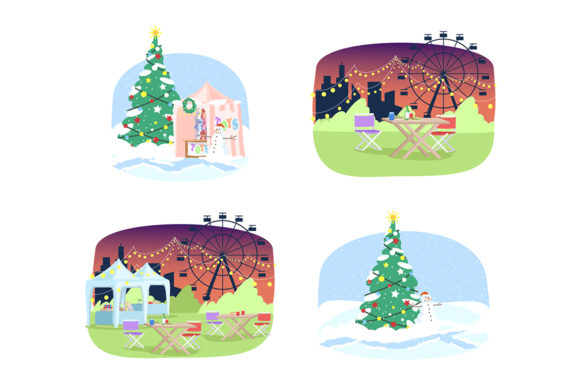
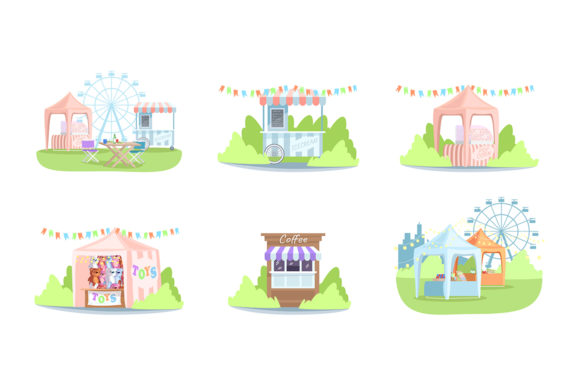
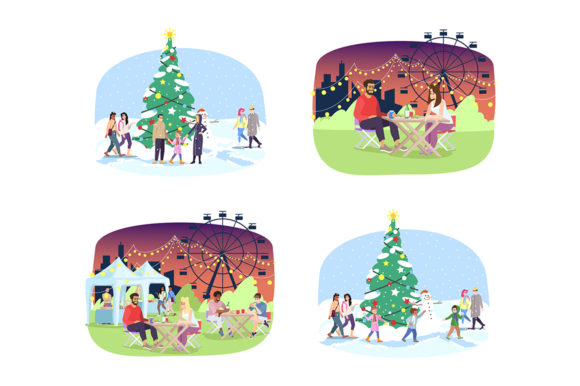
As a digital publisher who manages multiple content sites, I am constantly evaluating graphic design assets not just for their aesthetic appeal, but for their utility in a real editorial workflow. When I first opened the Fair Market Flat Vector Illustrations set, my immediate reaction was that this collection solves a specific problem for lifestyle and event-based publishers: visualizing atmosphere without relying on generic stock photography. The artwork depicts a vibrant street market scene featuring a Ferris wheel, roller coaster, and bustling crowds amidst market stalls and festive lighting. It captures the energy of a night summer fair or a Christmas city event with a clean, modern flat design style that feels approachable yet polished.
From an editorial design perspective, this asset creates a mood that is distinctly communal and celebratory. Unlike abstract corporate vectors, these illustrations carry a narrative weight. They suggest movement, commerce, and leisure simultaneously. For a blogger or content creator, this means the graphics can serve as more than just decoration; they act as visual anchors that tell the reader exactly what kind of experience the content will deliver. The style strikes a balance between playful and professional, making it suitable for family travel blogs, local event guides, seasonal marketing campaigns, and small business branding focused on retail or hospitality.
Deploying Visuals Across the Content Ecosystem
In my publishing workflow, consistency is key to building brand identity. A single graphic design asset needs to be versatile enough to work across multiple formats without losing its impact. The Fair Market Flat Vector Illustrations excel here because the composition is modular. The elements—people walking, the Christmas tree, the amusement rides—are distinct enough to be separated or rearranged if you have access to the source vector files, but even as static raster exports, they hold up beautifully in various applications.
For blog graphics and featured images, this set provides a strong alternative to the oversaturated photos often found in the creative marketplace. When designing a website header for a "Winter City Guide" category, the warm glow of the illustrated market stalls against a dark background creates instant visual hierarchy. It draws the eye immediately to the center of the page, signaling to the user that they have arrived at the right destination. Similarly, for Pinterest pin creation, the vertical orientation of the Ferris wheel and roller coaster elements naturally fits the 2:3 aspect ratio required for optimal performance. The bold shapes and high contrast ensure readability even when the pin is viewed as a tiny thumbnail in a crowded feed.
Beyond standard web design, I see immense value in using these illustrations for digital products and lead magnets. If you are creating a printable design for a holiday planner or a digital guide to local festivities, this art style adds perceived value. It transforms a simple PDF into a branded resource. For affiliate marketing content promoting travel gear or event tickets, using custom-feeling illustrations rather than generic product shots can increase trust. It suggests that the publisher has curated the content thoughtfully, which indirectly boosts click-through potential on affiliate links.
Strategic Placement for Maximum Editorial Impact
Knowing where to place a graphic is just as important as the graphic itself. Based on my testing, the Fair Market Flat Vector Illustrations perform best in hero sections and top-of-funnel content. They are ideal for:
- Seasonal Landing Pages: Use the full panoramic scene as a banner for Christmas or Summer Fair landing pages to establish immediate thematic relevance.
- Newsletter Headers: The horizontal layout of the market stalls works perfectly for email marketing, setting a festive tone before the subscriber reads the first line of copy.
- Category Thumbnails: Crop specific elements like the Christmas tree or a single market stall to create cohesive icons for blog categories like "Events," "Travel," or "Family Fun."
- Social Media Graphics: Use the crowd scenes as backgrounds for Instagram carousels or Facebook ads promoting local businesses or city events.
- eBook Covers: The detailed yet flat nature of the art allows title text to overlay cleanly without competing with photographic noise.
However, as with any creative design asset, there are contexts where caution is necessary. I would advise against using these specific illustrations for highly technical B2B content, financial advice columns, or serious medical niches. The whimsical nature of the funfair elements could undermine the authority required in those sectors. Additionally, be mindful of mobile responsiveness. While the details are charming on a desktop screen, the intricate patterns of the crowd and stall roofs can become muddy on small mobile thumbnails. Always test your crop zones to ensure the primary focal point remains clear on smaller devices.
Publisher Notes on Typography and Technical Performance
Integrating new design assets requires attention to technical and typographic harmony. When pairing fonts with the Fair Market Flat Vector Illustrations, I found that bold sans-serif typefaces complement the modern flat aesthetic best. A heavy display font for headlines mirrors the solid shapes of the vector art, while a clean serif body font maintains editorial credibility. Avoid overly ornate script fonts, as they can clash with the geometric simplicity of the roller coaster and stall structures, creating visual friction that reduces readability.
From a web performance standpoint, vector-derived graphics are generally lightweight, but complex scenes with many colors can still result in large file sizes if exported incorrectly. Before uploading these to your media library, run them through a compression tool. Aim for WebP format to maintain color fidelity while reducing load times. Fast-loading blog graphics are essential for SEO and user retention; a beautiful illustration that delays content rendering by two seconds is a liability, not an asset.
Finally, and perhaps most importantly for commercial publishers, always verify the commercial license. If you plan to use these illustrations in monetized content, paid digital downloads, or client work, ensure your license covers these specific uses. Many assets in the creative marketplace have tiered licensing, and assuming you have full commercial rights can lead to legal complications later. Confirming this upfront protects your business and ensures your content marketing efforts are built on a solid legal foundation.
Elevating Brand Identity Through Cohesive Art
Ultimately, the goal of incorporating the Fair Market Flat Vector Illustrations into your workflow is to strengthen your visual identity. In a saturated digital landscape, readers recognize brands by their consistent visual language. By adopting this specific illustration style across your website headers, social media graphics, and downloadable resources, you create a cohesive thread that ties disparate pieces of content together. This consistency builds familiarity, and familiarity breeds trust.
Whether you are a solo blogger preparing for the holiday season or a digital agency managing a city tourism client, this asset offers a flexible, high-quality solution. It bridges the gap between generic clip art and expensive custom illustration, providing a professional polish that elevates the entire editorial presentation. When used strategically within your content marketing ecosystem, these graphics do more than fill empty space; they actively contribute to a better user experience and a stronger, more clickable brand presence.