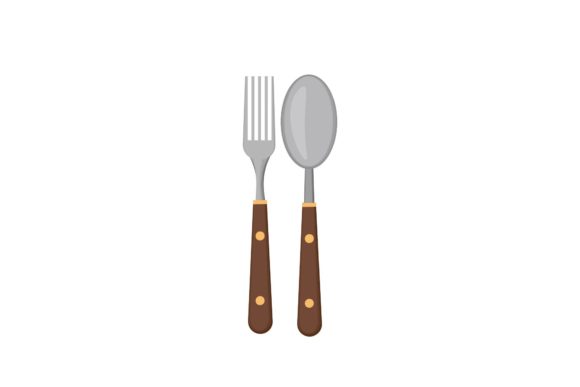
Dining Room Wooden Cutlery Graphics & Illustrations
First Impressions: Rustic Warmth for Handmade Collections
As a handmade business owner who constantly scouts for versatile design assets, my first reaction to the Dining Room Wooden Cutlery Illustrations was one of immediate appreciation for organic texture. In a marketplace saturated with overly polished, flat vector art, this graphic design asset brings a necessary tactile quality that resonates deeply with buyers seeking authenticity. The illustrations evoke a cozy, farmhouse-chic aesthetic that feels both nostalgic and current. It is not merely cute; it possesses an elegant rusticity that suggests heirloom quality rather than disposable trendiness.
For those of us running an Etsy product line or preparing for a local craft fair, this specific visual mood targets a distinct demographic. Customers attracted to these graphics are typically looking for warmth, sustainability vibes, and artisanal charm. They are the buyers who purchase linen napkins, reclaimed wood serving trays, and botanical wax sachets. When I integrate this illustration into my workflow, it immediately signals to the customer that my products are crafted with intention. Whether you are aiming for a minimal Scandinavian dining theme or a hearty country kitchen vibe, these wooden cutlery graphics bridge the gap between digital design and physical craftsmanship seamlessly.
Real-World Applications: From Vinyl Cutting to Sublimation
The true test of any Svg design is how it performs when moved from the screen to the cutting mat or printer. I recently utilized this asset while developing a seasonal tableware collection for my shop, and its versatility across different mediums was impressive. For Cricut project enthusiasts and Silhouette project users, the included DXF and SVG files are essential. The lines in the vector format are generally clean, making them suitable for vinyl decals on pantry jars, glass food storage containers, and even custom wedding favor boxes. Because the design mimics wood grain, it pairs exceptionally well with actual wood veneer vinyl or heat transfer vinyl (HTV) on canvas tote bags and aprons.
Beyond cutting, this asset shines as a sublimation design. The 1920px x 1280px canvas size provides ample resolution for creating vibrant tumbler wrap designs and ceramic mug design transfers. I found that the wooden texture retains its depth when printed, avoiding the washed-out look that some digital textures suffer from during sublimation. For sellers focusing on paper goods, the high-resolution formats serve as excellent printable design elements for menu cards, place settings, and recipe journal covers. As a digital product creator, you can also repurpose these graphics into planner stickers or digital scrapbooking kits, expanding your revenue streams without additional drawing time.
Expanding Your Product Line with Versatile Assets
When building a cohesive handmade business brand, consistency is key. These Dining Room Wooden Cutlery Illustrations allow for cross-category merchandising. Consider using the same graphic element on a t-shirt design for restaurant staff, matching sticker design sheets for foodies, and branded packaging tags for shipped orders. This repetition builds brand recognition. The asset works particularly well for:
- Large cut files: Ideal for wall decals or large-scale window clings for cafes.
- Seasonal craft bundles: Perfect for Thanksgiving, Christmas, or harvest-themed collections.
- Product mockup: Use the cutlery as a decorative overlay to stage photos of your other handmade items.
- Small business branding: Incorporate into thank-you cards, invoice templates, and social media posts.
- Print-on-demand: Apply to tea towels, placemats, and throw pillows with reliable results.
Technical Considerations: Where to Exercise Caution
While the Dining Room Wooden Cutlery Illustrations are robust, experienced crafters know that every file has its limits. When working with textured clipart that simulates natural materials like wood, you must be mindful of scale. I advise against using this design for very small cutting details, such as intricate jewelry or tiny cake toppers under two inches. The simulated wood grain can sometimes cause weeding nightmares if the blade catches on internal texture lines meant to look like knots or grain patterns. Always simplify the nodes in your cutting software if you plan to shrink the design significantly.
Additionally, consider contrast carefully. Since these are wooden tones, they may lack sufficient contrast against kraft paper, cardboard, or dark wood surfaces unless you add a white outline or shadow layer. For layered vinyl projects, ensure that the color separation is distinct enough to prevent muddiness. If you are using this for commercial design on dark fabrics, test a print or cut sample first to ensure the wood texture remains visible and doesn't blend into the background. Crowded compositions can also be an issue; because wood grain is visually "busy," avoid placing text directly over the most detailed parts of the illustration without a solid backing shape to maintain readability.
Crafter’s Workflow Checklist for Professional Results
To maximize the value of this design bundle and ensure professional-grade output for your customers, follow this practical workflow before listing finished items. First, always verify your commercial license. While the file formats (AI, EPS, SVG, DXF) suggest professional use, confirming the specific rights for Etsy product sales or creative marketplace distribution protects your business. Next, open the SVG in your preferred cutting software and inspect the pathing. Ungroup the elements to see if the utensils are separated logically or if they require manual ungrouping for individual use.
Before committing to a full production run, create a physical prototype. Test the PNG design transparency by printing it on both white and colored cardstock to check for edge halos. If using for sublimation, run a color calibration test, as wood tones can shift toward orange or grey depending on your ink profile and substrate coating. Pair these illustrations thoughtfully with typography; a bold serif font complements the rustic weight of the wood, while a delicate script might get lost against the grain. Finally, resize the asset appropriately for each application—what looks balanced on a 20oz tumbler may appear sparse on a standard greeting card. By treating this graphic design asset with technical respect and creative intention, you transform simple digital files into profitable, beloved handmade products that stand out in a crowded marketplace.